Polynesian tattoos on the forearm, or polynesische tattoo onderarm, are more than just body art. They carry deep cultural and personal significance.
I’ve seen a lot of people get these tattoos without understanding what they mean. That’s a mistake. You need to know the history and symbolism behind them.
Let’s dive into the details. We’ll cover everything from the traditional designs to the modern interpretations.
You might be wondering, why should you trust me? I’ve spent years studying and experiencing Polynesian culture firsthand. I know the ins and outs of these tattoos.
By the end, you’ll have a clear idea of what to expect when getting a polynesische tattoo onderarm. From the design elements to the process, we’ll go through it all.
History and Cultural Significance of Polynesian Tattoos
Polynesian tattoos have a rich history, dating back over 2,000 years. They were not just body art; they carried deep cultural and spiritual significance.
In Polynesian societies, these tattoos symbolized status, genealogy, and personal achievements. Each design told a story about the individual’s life and heritage. For example, geometric patterns and motifs represented elements like the ocean, the sky, and ancestors.
The process of getting a traditional Polynesian tattoo was (and still is) a sacred ritual. It often took weeks or even months to complete, depending on the complexity of the design. The pain was seen as a rite of passage, a test of endurance and commitment.
Today, Polynesian tattoos continue to influence modern tattoo art. You see it in the popularity of polynesische tattoo onderarm designs, which blend traditional motifs with contemporary styles. These designs are not just aesthetically pleasing; they also carry the weight of centuries of cultural tradition.
Understanding the deep meanings behind these tattoos can help you appreciate them more. Whether you’re getting one yourself or just admiring someone else’s, knowing the history adds a layer of respect and admiration.
Common Design Elements in Polynesian Tattoos
Geometric patterns are a staple in Polynesian tattoos. You’ll often see intricate triangles, lines, and spirals that create a visually striking effect. These shapes aren’t just for show; they carry deep cultural and spiritual meanings.
Natural motifs play a huge role too. Waves, sharks, and suns are common. Each element tells a story.
Waves symbolize the ocean’s power and the journey of life. Sharks represent strength and protection. Suns signify leadership and guidance.
Tribal symbols add another layer of meaning. Different Polynesian cultures have their own unique symbols. For example, the enata (human figure) is used to represent people and relationships.
The tiki symbolizes deities and ancestors, embodying wisdom and protection.
I think we’ll see more fusion designs in the future. As Polynesian culture gains global recognition, artists will blend traditional elements with modern styles. This could lead to a new wave of innovative and meaningful polynesische tattoo onderarm designs.
Understanding these elements can help you appreciate the depth and beauty of Polynesian tattoos. Whether you’re getting one or just admiring them, knowing the stories behind the designs makes them even more special.
Choosing the Right Design for Your Forearm
When it comes to picking a polynesische tattoo onderarm, you want something that really speaks to you. It’s not just about the design; it’s about what it means.
Think about your personal story or values. What matters most to you? A tattoo should be a reflection of who you are, not just a cool image.
Size and placement are crucial too. The forearm is a visible spot, so consider how big you want the tattoo to be. You might go for a small, subtle design or a larger, more detailed one.
Placement can change the impact. Some people prefer the inner forearm, while others like the outer side. It’s all about what feels right for you.
Consulting with a skilled tattoo artist is key. They can help refine your design and make sure it fits well on your forearm. polynesische tattoo onderarm
They have the experience to know what works and what doesn’t. Plus, they can offer suggestions you might not have thought of.
Remember, this is a permanent decision. Take your time, do your research, and make sure you’re happy with every aspect of the design.
The Process of Getting a Polynesian Tattoo on the Forearm
Finding an artist who specializes in Polynesian designs is crucial. You want someone with a solid portfolio and good reviews. Ask around, check social media, and visit local tattoo shops.
- Look for artists with a strong background in traditional Polynesian styles.
- Check their portfolio to see if their work aligns with what you envision.
- Read reviews and ask for recommendations from friends or online forums.
Initial consultation is where you and the artist brainstorm. This is your chance to share your ideas and get the artist’s input. They’ll help you refine the design and placement.
- Discuss the meaning and symbolism behind the design.
- Talk about the size and placement on your polynesische tattoo onderarm.
- Agree on the style and any specific elements you want included.
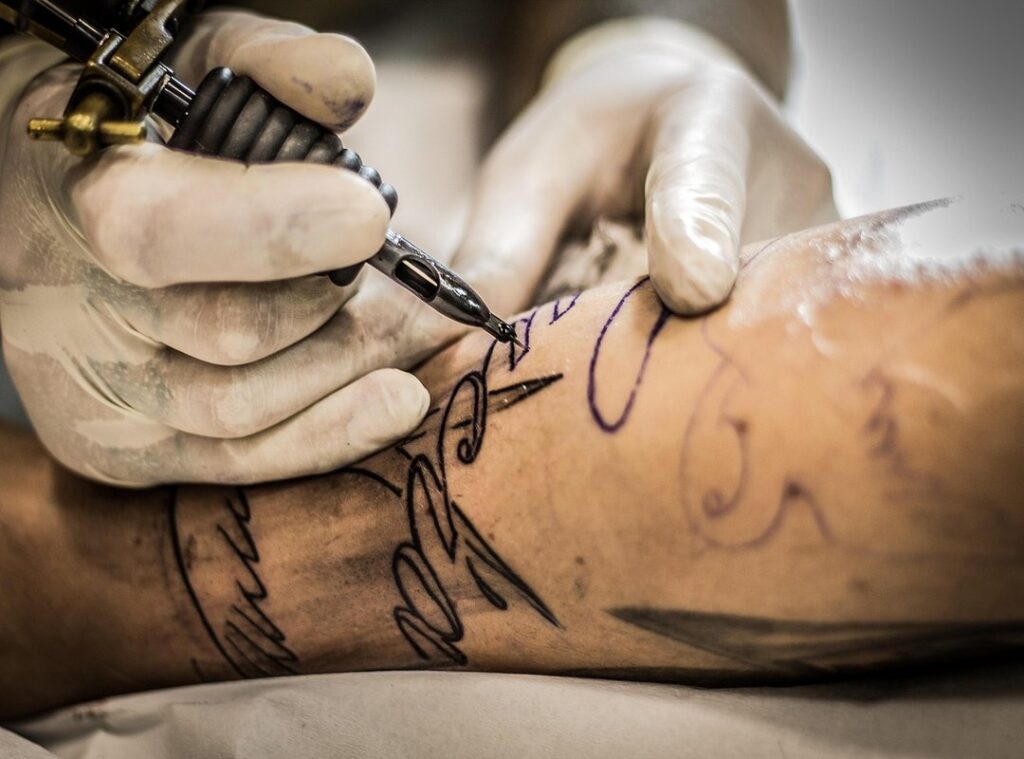
Tattoo session can be intense, but it’s worth it. First, the artist will clean and prep the area. Then, they’ll start with the outline, followed by the shading and details.
- Stay calm and take breaks if needed.
- Follow the aftercare instructions carefully to avoid infections.
- Keep the area clean and moisturized as directed.
Aftercare is just as important as the tattoo itself. Proper care ensures your tattoo heals well and looks great. Use the recommended products and avoid picking at scabs.
- Clean the tattoo gently with mild soap and water.
- Apply a thin layer of ointment or lotion as advised.
- Avoid soaking in water and stay out of the sun until fully healed.
FAQs About Polynesian Tattoos on the Forearm
Q: Are Polynesian tattoos painful on the forearm?
A: Yes, getting a polynesische tattoo onderarm can be painful. The pain level varies from person to person.
Factors like your pain tolerance and the artist’s technique play a big role.
Q: How long does it take to get a Polynesian tattoo on the forearm?
A: The time it takes depends on the design’s complexity. Simple designs might take a couple of hours, while more intricate ones can take several sessions.
Q: Can I modify traditional Polynesian designs?
A: You can, but it’s important to respect the cultural significance. Traditional designs have deep meanings.
Modifying them without understanding their heritage can be disrespectful.
Have you ever wondered why some people choose to get Polynesian tattoos? It’s not just about the art; it’s about the story and the culture behind it.
Examples and Inspiration
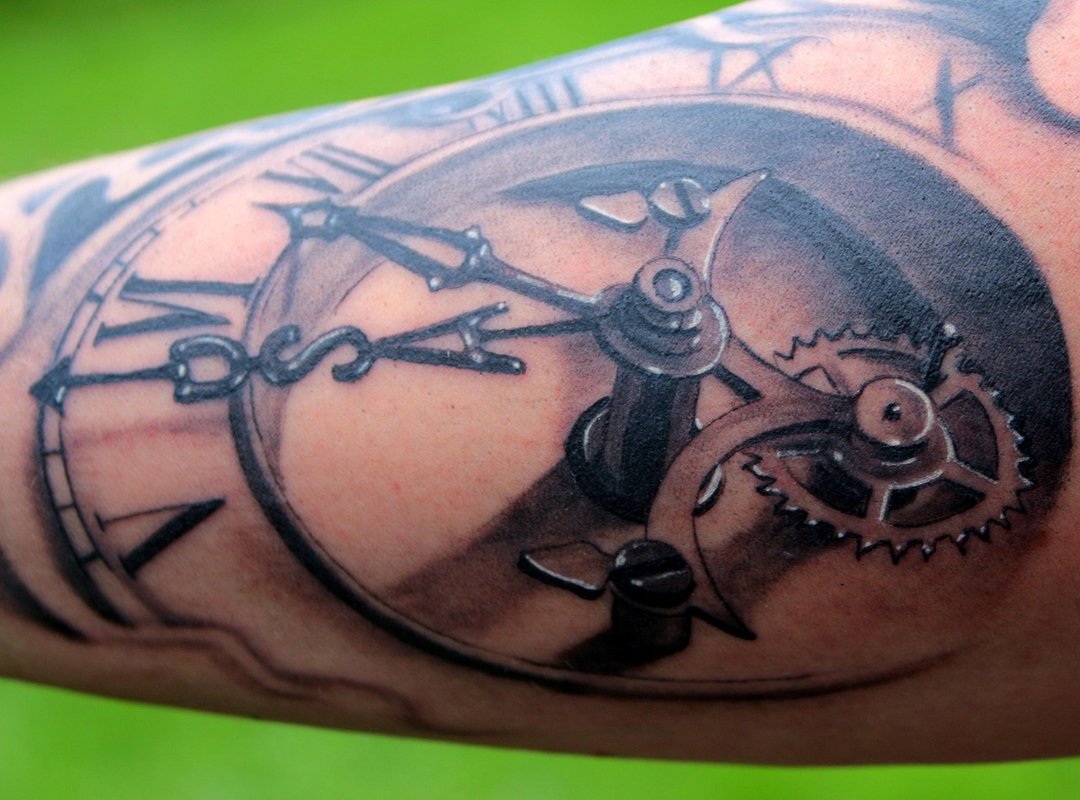
Let’s dive into some visual examples of popular Polynesian tattoo designs on the forearm. polynesische tattoo onderarm often feature intricate patterns like waves, triangles, and geometric shapes. These designs symbolize things like strength, protection, and connection to nature.
Imagine a tattoo that starts at the wrist and flows up the arm, with each element telling a story. For example, a wave pattern might represent your love for the ocean, while a series of triangles could symbolize your family and heritage.
Now, let’s talk about success stories. I’ve met people who got Polynesian tattoos to honor their ancestors or to mark significant life events. One person I spoke to had a design that included elements from both their Hawaiian and Samoan heritage.
It was a way to keep their cultural roots close, even when they were far from home.
Another individual got a Polynesian tattoo after surviving a serious illness. The design was a reminder of their resilience and the support they received from loved ones.
These tattoos are more than just ink; they’re a way to carry meaningful stories and values with you every day.
Embrace the Beauty and Meaning of Polynesian Tattoos
Polynesian tattoos, with their rich history and deep cultural significance, have captivated people for centuries. These designs often tell a story, reflecting the wearer’s heritage, achievements, and personal journey. The process of getting a polynesische tattoo onderarm involves intricate designs that can be both traditional and modern, blending ancient symbols with contemporary artistry.
Choosing a design is a deeply personal decision. It’s important to select elements that resonate with your own life experiences and values. This not only honors the tradition but also makes the tattoo uniquely yours.
Finding a skilled artist is crucial. A knowledgeable and experienced tattooist can bring out the best in your chosen design, ensuring it is both aesthetically pleasing and meaningful. Proper aftercare is equally important to maintain the beauty and integrity of your tattoo.
 Director of Machine Learning & AI Strategy
Jennifer Shayadien has opinions about core computing concepts. Informed ones, backed by real experience — but opinions nonetheless, and they doesn't try to disguise them as neutral observation. They thinks a lot of what gets written about Core Computing Concepts, Device Optimization Techniques, Data Encryption and Network Protocols is either too cautious to be useful or too confident to be credible, and they's work tends to sit deliberately in the space between those two failure modes.
Reading Jennifer's pieces, you get the sense of someone who has thought about this stuff seriously and arrived at actual conclusions — not just collected a range of perspectives and declined to pick one. That can be uncomfortable when they lands on something you disagree with. It's also why the writing is worth engaging with. Jennifer isn't interested in telling people what they want to hear. They is interested in telling them what they actually thinks, with enough reasoning behind it that you can push back if you want to. That kind of intellectual honesty is rarer than it should be.
What Jennifer is best at is the moment when a familiar topic reveals something unexpected — when the conventional wisdom turns out to be slightly off, or when a small shift in framing changes everything. They finds those moments consistently, which is why they's work tends to generate real discussion rather than just passive agreement.
Director of Machine Learning & AI Strategy
Jennifer Shayadien has opinions about core computing concepts. Informed ones, backed by real experience — but opinions nonetheless, and they doesn't try to disguise them as neutral observation. They thinks a lot of what gets written about Core Computing Concepts, Device Optimization Techniques, Data Encryption and Network Protocols is either too cautious to be useful or too confident to be credible, and they's work tends to sit deliberately in the space between those two failure modes.
Reading Jennifer's pieces, you get the sense of someone who has thought about this stuff seriously and arrived at actual conclusions — not just collected a range of perspectives and declined to pick one. That can be uncomfortable when they lands on something you disagree with. It's also why the writing is worth engaging with. Jennifer isn't interested in telling people what they want to hear. They is interested in telling them what they actually thinks, with enough reasoning behind it that you can push back if you want to. That kind of intellectual honesty is rarer than it should be.
What Jennifer is best at is the moment when a familiar topic reveals something unexpected — when the conventional wisdom turns out to be slightly off, or when a small shift in framing changes everything. They finds those moments consistently, which is why they's work tends to generate real discussion rather than just passive agreement.