Staying ahead in automation means understanding where robotics is actually heading—not where the hype says it is. If you’re searching for clear insights into robotics industry trends 2026, you likely want more than predictions. You want to know what technologies are gaining real traction, how AI integration is reshaping robotic systems, and what this means for businesses, developers, and tech-forward professionals.
This article breaks down the most important developments shaping the robotics landscape in 2026, from advancements in machine learning–driven autonomy to edge computing, smarter sensors, and stronger data encryption within connected devices. We focus on practical impact—how these trends influence performance, scalability, security, and long-term innovation.
Our analysis draws on current research in AI, core computing systems, and device optimization techniques, ensuring every insight is grounded in real technological progress—not speculation. By the end, you’ll have a clear understanding of where robotics is evolving and how to position yourself for what’s next.
While robotics has been a buzzword for years, 2026 marks the shift from scripted automation to autonomy. Thanks to multimodal machine learning models—systems that process text, vision, and sensor data together—robots can now interpret context, not just commands. Edge AI chips with on-device optimization reduce latency to milliseconds, boosting safety in warehouses and surgical suites. Some skeptics argue autonomy is still hype, citing failure rates in environments. However, improvements in reinforcement learning and simulation training are closing that gap. In fact, robotics industry trends 2026 point to systems that learn on the job. The benefit: efficiency, fewer accidents, smarter decisions.
Cognitive Robotics: How Advanced AI is Giving Machines a Mind
As we explore the exciting next-gen robotics trends transforming industry in 2026, it’s essential to consider how innovations like those discussed in the article ‘Doayods Pc‘ are paving the way for smarter automation solutions.
For years, programming robots felt like arguing with a vending machine. Press the wrong button, and nothing happens. Traditional robots required rigid, pre-defined instructions—every motion mapped in advance. Miss one variable, and the whole system stalls (usually at the worst possible moment).
The Generative AI Impact
Large Language Models (LLMs) and Vision Language Models (VLMs) are changing that. An LLM is an AI system trained on massive text datasets to understand and generate human language. A VLM combines language with visual understanding, allowing machines to “see” and interpret images alongside words. Together, they let robots process complex, multi-step commands like, “Organize the tools on that table and discard anything broken.”
No more painstaking line-by-line coding. Instead of rigid scripts, robots interpret intent. That’s a massive leap forward—and a direct response to robotics industry trends 2026 pushing for flexibility over fixed automation.
Reinforcement Learning in Unstructured Environments
Reinforcement learning—where systems learn through trial and error—moves robots beyond pristine factory floors into messy, unpredictable environments. Construction sites. Disaster zones. Warehouses that look like a tornado hit aisle seven.
Rather than freezing when conditions change, these robots adapt. They test actions, receive feedback, and refine behavior over time. It’s less “follow the script” and more “figure it out.” (Finally.)
Predictive Maintenance and Self-Diagnostics
Downtime is EXPENSIVE. Modern cognitive robots use onboard AI to monitor motor strain, temperature shifts, and component wear. Predictive maintenance means identifying failures before they happen—reducing operational costs and preventing catastrophic breakdowns.
• Reduced unplanned downtime
• Optimized performance cycles
Because the real frustration isn’t automation—it’s automation that constantly needs fixing.
The Hardware Evolution: More Power, Less Consumption
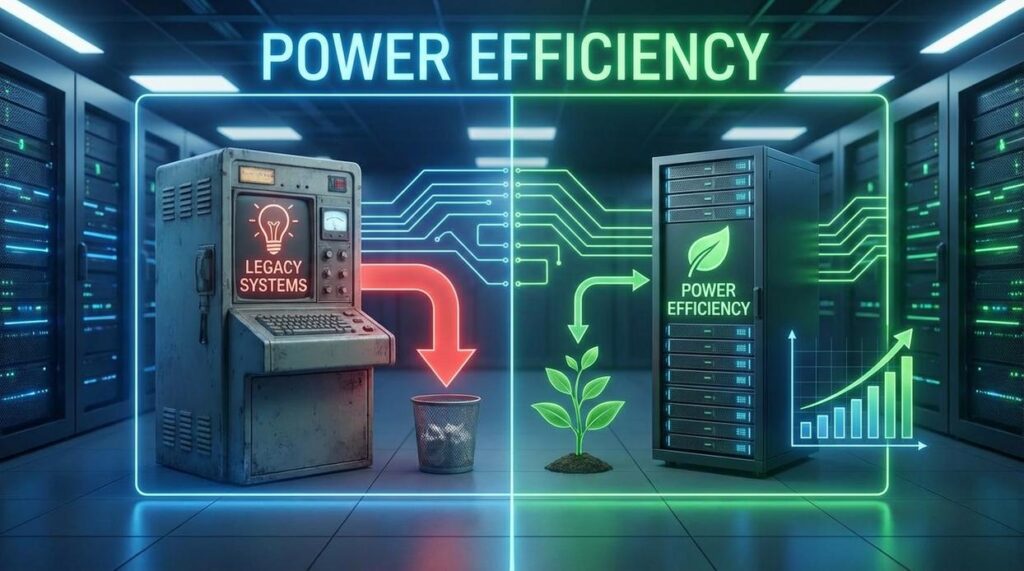
Robots are getting stronger and smarter—but surprisingly, they’re also getting thriftier with energy. Energy efficiency simply means doing more work with less power. Thanks to breakthroughs in solid-state batteries (which replace liquid electrolytes with solid materials for higher safety and density) and low-power processing units—chips designed to perform complex calculations while sipping electricity—robots can now operate longer without recharging. In practical terms, that means warehouse robots running full shifts or agricultural drones monitoring crops all day (no mid-afternoon nap required).
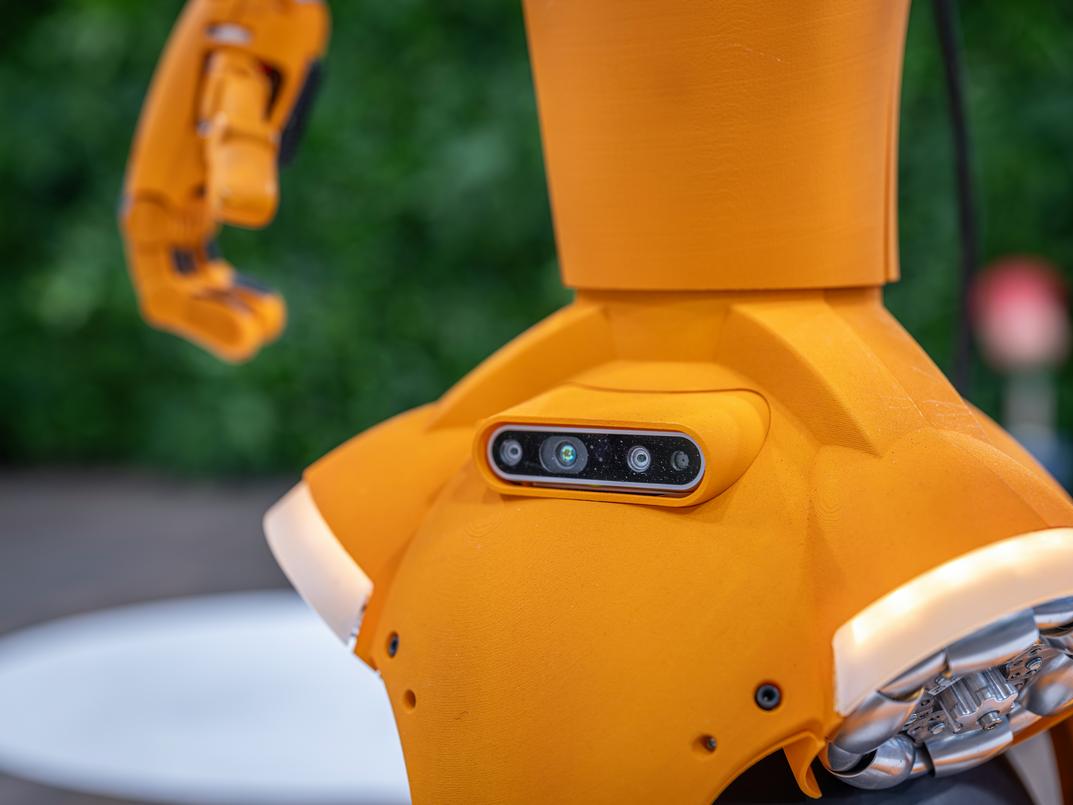
At the same time, the sensor fusion revolution is changing how machines “see.” Sensor fusion refers to combining data from multiple sensors to create a single, accurate understanding of the environment. For example, LiDAR (laser-based distance measurement), advanced computer vision, and proprioceptive sensors (which track a robot’s own movement and position) now work together. As a result, robots gain near-human spatial awareness—crucial for safe navigation and delicate tasks.
Meanwhile, soft robotics introduces flexible, bio-inspired materials that bend instead of break. This makes robots safer around humans and better at handling fragile objects—think fruit picking without bruising. These advances align closely with robotics industry trends 2026 and broader shifts highlighted in top emerging technologies shaping the future of digital transformation.
Securing the Swarm: Data Encryption in an Interconnected Robotic World
Robots are no longer confined to factory cages; they now manage hospital inventories, inspect power grids, and coordinate global supply chains. Consequently, they’ve become prime targets for cybercriminals. A “threat vector” (a pathway attackers use to gain access) now includes wireless command links, cloud dashboards, and even maintenance ports. According to IBM’s 2024 Cost of a Data Breach Report, the global average breach cost reached $4.45 million—an expensive reminder that critical systems demand airtight security.
End-to-End Encrypted Communication
End-to-end encryption (E2EE) ensures that data is scrambled from sender to receiver, readable only with the correct cryptographic key. In robotics, this covers command signals, telemetry, firmware updates, and sensor feeds. Without it, attackers could intercept instructions or manipulate robotic arms mid-task (think less “helpful R2-D2,” more chaos on the warehouse floor). Strong protocols such as AES-256 and TLS 1.3 protect data in transit and at rest, directly reducing risks of hijacking and industrial espionage. As robotics industry trends 2026 highlight deeper cloud integration, encrypted pipelines become a competitive necessity—not just a compliance checkbox.
Meanwhile, AI-powered anomaly detection adds another defensive layer. By training machine learning models on normal operating patterns, robots can flag unusual commands or erratic behavior. If triggered, systems can autonomously quarantine the device, limiting network-wide disruption and preserving operational continuity.
Robotics in Practice: Three Industries Being Transformed in 2026
Robotics is no longer confined to factory floors. In 2026, it’s reshaping daily life in ways that feel closer to sci‑fi than supply chain management (yes, we’re edging toward a Jetsons moment). If you’re tracking robotics industry trends 2026, focus on where real-world deployment—not prototypes—is accelerating.
Hyper-Personalized Healthcare
Beyond surgical assistants, robotic exoskeletons now adapt in real time to a patient’s muscle fatigue using embedded sensors and machine learning models. Muscle fatigue detection refers to monitoring electrical muscle signals (EMG data) to adjust resistance instantly. Autonomous lab robots are also cutting diagnostic turnaround times by handling sample prep and analysis with minimal human intervention. The World Health Organization has noted automation’s growing role in addressing global healthcare workforce shortages (WHO, 2023).
Recommendation: Healthcare providers should pilot adaptive rehab robotics in outpatient clinics first, where measurable recovery metrics justify investment.
Precision Agriculture
Swarms of lightweight drones and ground bots collaborate using distributed coordination algorithms—systems that let machines share data and make group decisions without a central controller. They scan soil health, apply micro-doses of fertilizer, and target pests plant by plant. The FAO estimates precision agriculture can significantly reduce chemical overuse while improving yields (FAO, 2022).
- Start with soil-mapping robots before investing in full drone swarms.
- Integrate data dashboards farmers can actually interpret (complex data is useless if no one trusts it).
Last-Mile Delivery and Logistics
Autonomous delivery robots now navigate dense cities, sync with smart traffic systems, and use encrypted compartments for secure drop-offs. Critics argue urban unpredictability makes this risky. Fair point. But advances in edge computing—processing data locally on the device—reduce latency and improve safety.
Recommendation: Retailers should deploy in mixed residential zones first, where routes are predictable and regulatory friction is lower.
Where Robotics Goes Next
You set out to understand where automation, AI-driven machines, and intelligent systems are heading—and now you have a clear view of the forces shaping robotics industry trends 2026. From smarter edge computing to tighter AI integration and stronger data security, the direction is no longer speculative. It’s actionable.
The real challenge isn’t access to information—it’s keeping up before your systems, skills, or strategies fall behind. Innovation cycles are shrinking. Optimization gaps are widening. And those who hesitate risk higher costs, weaker performance, and missed competitive advantages.
The opportunity is clear: apply these insights, audit your current tech stack, and align your infrastructure with where robotics and intelligent automation are heading next.
If staying ahead of rapid tech shifts feels overwhelming, don’t navigate it alone. Join thousands of forward-thinking professionals who rely on our in-depth analysis and practical breakdowns to stay competitive. Explore our latest insights now and start building smarter, faster, and more secure systems today.
 Founder & Chief Visionary Officer (CVO)
Selviana Vaelvessa writes the kind of device optimization techniques content that people actually send to each other. Not because it's flashy or controversial, but because it's the sort of thing where you read it and immediately think of three people who need to see it. Selviana has a talent for identifying the questions that a lot of people have but haven't quite figured out how to articulate yet — and then answering them properly.
They covers a lot of ground: Device Optimization Techniques, AI and Machine Learning Ideas, Data Encryption and Network Protocols, and plenty of adjacent territory that doesn't always get treated with the same seriousness. The consistency across all of it is a certain kind of respect for the reader. Selviana doesn't assume people are stupid, and they doesn't assume they know everything either. They writes for someone who is genuinely trying to figure something out — because that's usually who's actually reading. That assumption shapes everything from how they structures an explanation to how much background they includes before getting to the point.
Beyond the practical stuff, there's something in Selviana's writing that reflects a real investment in the subject — not performed enthusiasm, but the kind of sustained interest that produces insight over time. They has been paying attention to device optimization techniques long enough that they notices things a more casual observer would miss. That depth shows up in the work in ways that are hard to fake.
Founder & Chief Visionary Officer (CVO)
Selviana Vaelvessa writes the kind of device optimization techniques content that people actually send to each other. Not because it's flashy or controversial, but because it's the sort of thing where you read it and immediately think of three people who need to see it. Selviana has a talent for identifying the questions that a lot of people have but haven't quite figured out how to articulate yet — and then answering them properly.
They covers a lot of ground: Device Optimization Techniques, AI and Machine Learning Ideas, Data Encryption and Network Protocols, and plenty of adjacent territory that doesn't always get treated with the same seriousness. The consistency across all of it is a certain kind of respect for the reader. Selviana doesn't assume people are stupid, and they doesn't assume they know everything either. They writes for someone who is genuinely trying to figure something out — because that's usually who's actually reading. That assumption shapes everything from how they structures an explanation to how much background they includes before getting to the point.
Beyond the practical stuff, there's something in Selviana's writing that reflects a real investment in the subject — not performed enthusiasm, but the kind of sustained interest that produces insight over time. They has been paying attention to device optimization techniques long enough that they notices things a more casual observer would miss. That depth shows up in the work in ways that are hard to fake.