Ever feel like your personal data is on display every time you connect to public Wi-Fi? It’s a real worry, right? The endless marketing promises of “privacy” and “security” don’t help much either.
This article cuts through the noise to show how VPNs truly guard your data. Spoiler: it’s all about core encryption standards and network protocols, not flashy features.
You can trust this guide because it’s built on solid technical analysis, not just marketing fluff. By the end, you’ll have a clear, actionable understanding of what matters for VPNs data security. Ready to make an informed choice?
Your Private Tunnel: How VPNs Protect You
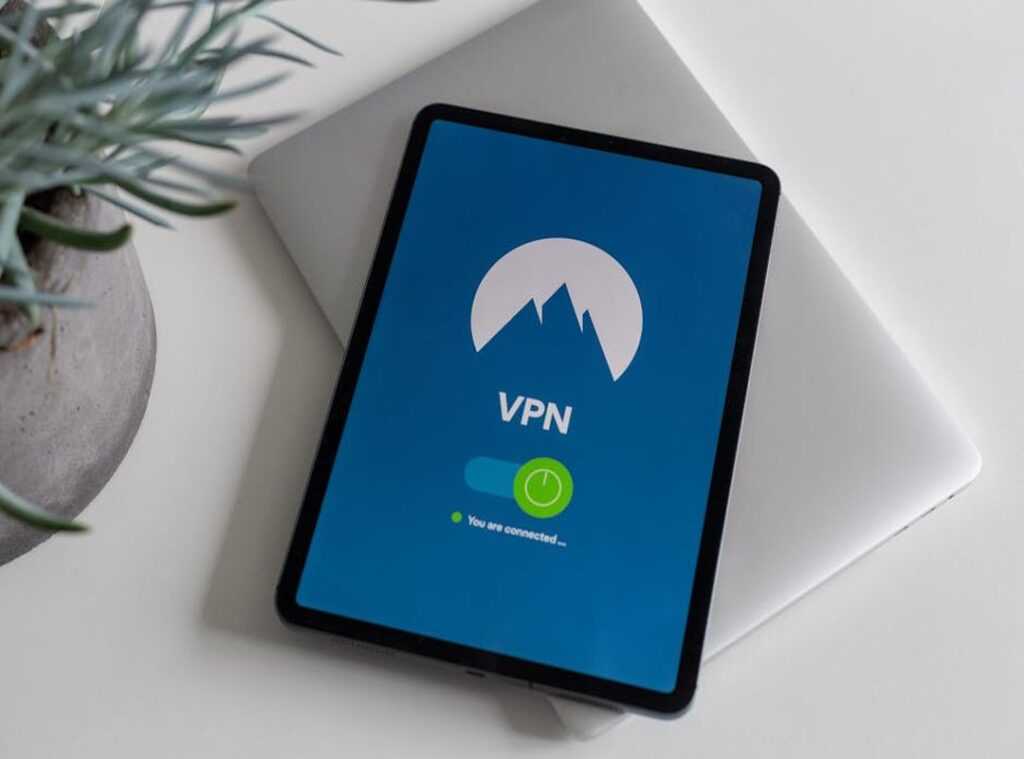
Think of a VPN as your armored digital tunnel. It’s like putting your internet traffic in a bulletproof vest. You connect to a VPN server and boom, an encrypted connection forms.
Everything you do online travels through this tunnel, safe from prying eyes.
Why does this matter? Picture this: you’re on public Wi-Fi. Anyone could be snooping.
But with VPNs, data security isn’t just a buzzword. It’s real. The encryption scrambles your data, making it unreadable to anyone who tries to intercept it.
Your ISP or hackers can’t see what you’re up to.
Then there’s IP masking. It hides your real IP address, giving you the server’s instead. Websites and services can’t track your location or identity.
It’s like wearing a mask that actually works. But why stop there? If you’re interested in other secure data methods, check out blockchain secure data transfer.
Let’s face it: privacy is scarce these days. But with a VPN, you control what others can see. It’s not just about being anonymous.
It’s about taking charge of your digital life. Why let anyone else hold the keys to your online world?
Beyond the Basics: Features You Can’t Ignore
Not all VPNs are created equal. You might think a VPN is just a VPN, but that’s not true. Some offer more advanced security features that are important for protecting your data.
Then there’s the “No-Logs Policy.” Not all logs are the same. Some VPNs track connection logs (like timestamps) while others might track activity logs. A strict, independently audited no-logs policy is the gold standard for privacy.
Let’s start with the “Kill Switch.” It’s a little feature with a big job. If your VPN connection drops, it cuts your internet to stop accidental data leaks. I mean, who wants to risk that?
You should demand nothing less. Imagine your info being a prisoner in a cell where no one holds the key. That’s what this policy promises.
DNS leaks are another sneaky threat. They happen when your browser sends requests outside the VPN tunnel. DNS Leak Protection ensures all your traffic stays within the VPN’s protective bubble.
Think of it like a force field (not just for sci-fi movies).
For those who want more, Multi-Hop or Double VPN routes your traffic through two servers for extra encryption. It’s like having a secret passageway within a secret passageway.
Want to know more about vpns data security? Check the link. Don’t settle for just any VPN.
Your data’s worth more.
Under the Hood: VPN Encryption & Protocols Demystified
Ever wonder what makes a VPN tick? It’s the protocols! Think of them as the methods your VPN uses to create its secure tunnel.
And yes, the choice of protocol really matters because it affects both your security and speed.
OpenVPN is like the old guard in VPNs. It’s reliable, heavily-audited, and known for its strong security. If you’re all about securing your data without a hitch, OpenVPN is your go-to.
People rave about its efficiency. If you’re tired of sluggish connections, WireGuard might just be the answer.
But what about speed? Enter WireGuard. It’s the new kid on the block, modern and fast, while still keeping your data safe.
Now, for those constantly on the move, IKEv2/IPsec is your best friend. It’s solid, stable, and loves mobile devices. Ever had your VPN drop when you switch networks?
IKEv2/IPsec reconnects quickly, saving you from those annoying interruptions.
So which one should you choose? It all depends on what you value more: reliability, speed, or mobile stability. OpenVPN gives you reliability.
WireGuard is all about speed. IKEv2/IPsec ensures mobile stability. Still confused?
Maybe you need a deeper dive into the basics ssl tls protocols beginners.
In the end, your choice impacts your VPN’s performance. It’s like choosing between a solid muscle car, a sleek sports car, or a dependable SUV. Which ride suits your digital journey?
VPNs: Setting Realistic Expectations
Let’s cut through the hype. A VPN isn’t a magic shield for all online threats. It elevates your privacy, sure, but it won’t make you an internet ghost.

Log into Facebook, and you’re waving at them from your digital window. Anonymity is about more than just VPNs; it’s complex and layered.
Some folks think a VPN can replace antivirus software. Wrong. It encrypts your connection, but your device is still open to malware and viruses unless you have appropriate security software in place.
VPNs data security helps in transit, but it’s not the final line of defense. You still need to be vigilant with other tools to watch your back.
Then there’s phishing (a) VPN can’t save you from your own mistakes. If you click a shady link and hand over your credentials, you’re exposed. The VPN can’t stop that because it can’t fix user errors.
It’s there to guard your data while surfing but not to correct your every click.
In short, appreciate what a VPN can do, but don’t lean on it for total security. Understand its limits, and you’ll be smarter online. The internet’s a wild place.
Equip yourself wisely.
Your VPN Decision Guide: Security Essentials
Let’s talk about VPNs. You want security, right? Not just any service will do. VPNs data security is key.
Think about where they operate. Is it a privacy-friendly country? If they’re in the 5/9/14 Eyes Alliance, you’re basically handing over your data.
Logging policy? Key. No logs means no traces.
A third-party audit can confirm this. You can’t just take their word for it. Trust, but verify.
What about protocols? Stick to modern ones like WireGuard or OpenVPN. Older protocols are like using dial-up in a fiber world.
You’re smarter than that.
Security audits are another non-negotiable. If they haven’t been checked by an independent body, how can you trust their claims? It’s like buying a car without checking the engine.
Leak protection is the silent guardian you need. A kill switch and DNS/IP leak protection are important. Without them, your data could spill out like an open faucet.
Does this all sound overwhelming? It shouldn’t. With this checklist, you’re armed and ready.
Remember, a VPN isn’t just a service. It’s your digital bodyguard. Make sure it’s up to the task.
Your data deserves nothing less.
Secure Your Digital Life Now
You’ve faced the challenge of protecting your personal data in this connected world. But guess what? You’ve tackled it.
Now you understand VPNs data security and how they protect you. With the right features like a kill switch and no logs, alongside protocols like WireGuard or OpenVPN, you’ve got a strong digital shield.
So why wait? Use the checklist provided. Evaluate a VPN service confidently.
Take charge and secure your online presence. It’s simple. It’s effective.
And it’s your move. The solution is right here (take) the first step toward securing your online data today.
 Director of Machine Learning & AI Strategy
Jennifer Shayadien has opinions about core computing concepts. Informed ones, backed by real experience — but opinions nonetheless, and they doesn't try to disguise them as neutral observation. They thinks a lot of what gets written about Core Computing Concepts, Device Optimization Techniques, Data Encryption and Network Protocols is either too cautious to be useful or too confident to be credible, and they's work tends to sit deliberately in the space between those two failure modes.
Reading Jennifer's pieces, you get the sense of someone who has thought about this stuff seriously and arrived at actual conclusions — not just collected a range of perspectives and declined to pick one. That can be uncomfortable when they lands on something you disagree with. It's also why the writing is worth engaging with. Jennifer isn't interested in telling people what they want to hear. They is interested in telling them what they actually thinks, with enough reasoning behind it that you can push back if you want to. That kind of intellectual honesty is rarer than it should be.
What Jennifer is best at is the moment when a familiar topic reveals something unexpected — when the conventional wisdom turns out to be slightly off, or when a small shift in framing changes everything. They finds those moments consistently, which is why they's work tends to generate real discussion rather than just passive agreement.
Director of Machine Learning & AI Strategy
Jennifer Shayadien has opinions about core computing concepts. Informed ones, backed by real experience — but opinions nonetheless, and they doesn't try to disguise them as neutral observation. They thinks a lot of what gets written about Core Computing Concepts, Device Optimization Techniques, Data Encryption and Network Protocols is either too cautious to be useful or too confident to be credible, and they's work tends to sit deliberately in the space between those two failure modes.
Reading Jennifer's pieces, you get the sense of someone who has thought about this stuff seriously and arrived at actual conclusions — not just collected a range of perspectives and declined to pick one. That can be uncomfortable when they lands on something you disagree with. It's also why the writing is worth engaging with. Jennifer isn't interested in telling people what they want to hear. They is interested in telling them what they actually thinks, with enough reasoning behind it that you can push back if you want to. That kind of intellectual honesty is rarer than it should be.
What Jennifer is best at is the moment when a familiar topic reveals something unexpected — when the conventional wisdom turns out to be slightly off, or when a small shift in framing changes everything. They finds those moments consistently, which is why they's work tends to generate real discussion rather than just passive agreement.