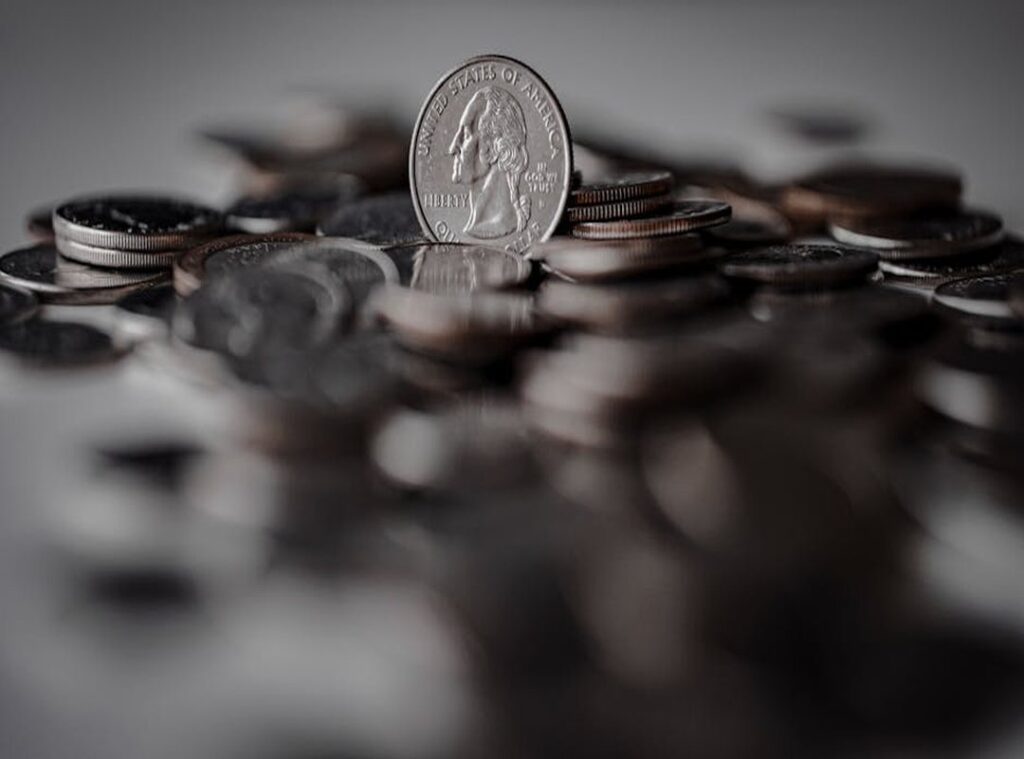
You might be scratching your head, wondering what on earth a quarter dollar valor chileno is. Well, let me tell you, there’s no such thing as an official Chilean quarter dollar.
It’s just a confusing term. Sometimes people use it to describe a Chilean coin that looks similar to a U.S. quarter.
This guide will help you figure out what you actually have and how much it’s worth. The value can range from less than a dollar to quite a bit more for collectors.
So, let’s get started. First, we’ll identify the coin. Then, we’ll grade it.
Finally, we’ll talk about its true market value.
Identifying Your Coin: The Most Likely Candidates
Let’s talk about the 25 Peso coin, which is often mistaken for a quarter. It’s got a diameter of 23.5 mm and is made of copper-nickel.
The design features a portrait of Bernardo O’Higgins. Pretty distinctive, right?
The 25 Peso coin was withdrawn from circulation in 2017. This can sometimes create collector interest, but most are still common.
Moving back in time, there’s the 1/4 Décimo from the 19th century. It’s smaller and made of silver, which immediately sets it apart in terms of value.
Then there are the 20 or 50 Centavo coins from various eras. These have their own unique features. For example, some might feature the Andean condor.
When you’re trying to identify your coin, look closely at the date and the denomination. Is it ’25 PESOS’ or ’50 CENTAVOS’? That’s your primary clue.
Another thing to consider is the QUARTER DOLLAR VALOR CHILENO. If you see that, you’re likely dealing with a specific type of coin.
If you’re still unsure, compare your coin to online numismatic catalogs or image databases. They can help you get a definitive match.
The Key Factors That Determine a Coin’s Worth
When it comes to valuing coins, the condition is king. It’s like judging a book by its cover, but for coins, it really matters. Condition (grade) tells you how well-preserved a coin is.
Grading Terms in Simple Language
- Uncirculated: No wear, looks brand new.
- Extremely Fine: Light wear on high points.
- Very Fine: Moderate wear.
- Good: Heavy wear but details are visible.
The year and mint mark of a coin are also crucial. Certain years had much lower mintage, making them rarer and more valuable. For example, if you have a quarter dollar valor chileno from a year with low production, it could be worth a lot more than a common one.
Metal composition is another key factor. Older coins containing silver, like some historical pesos or centavos, have an intrinsic melt value. Modern coins made of copper-nickel, on the other hand, are only worth their face value unless they’re rare.
Errors and varieties can also drive up a coin’s value. Coins with minting mistakes, such as off-center strikes or doubled dies, are highly sought after by collectors and can command premium prices.
Collector demand plays a big role too. Certain series or historical periods are more popular than others, directly impacting market value. If you’re into collecting, it’s good to stay in the loop about what’s trending.
Pro tip: Always get your coins professionally graded. It can make a huge difference in resale value. And if you’re curious about the security behind digital transactions, check out this guide on understanding public key cryptography.
Current Market Value for Common Chilean Coins
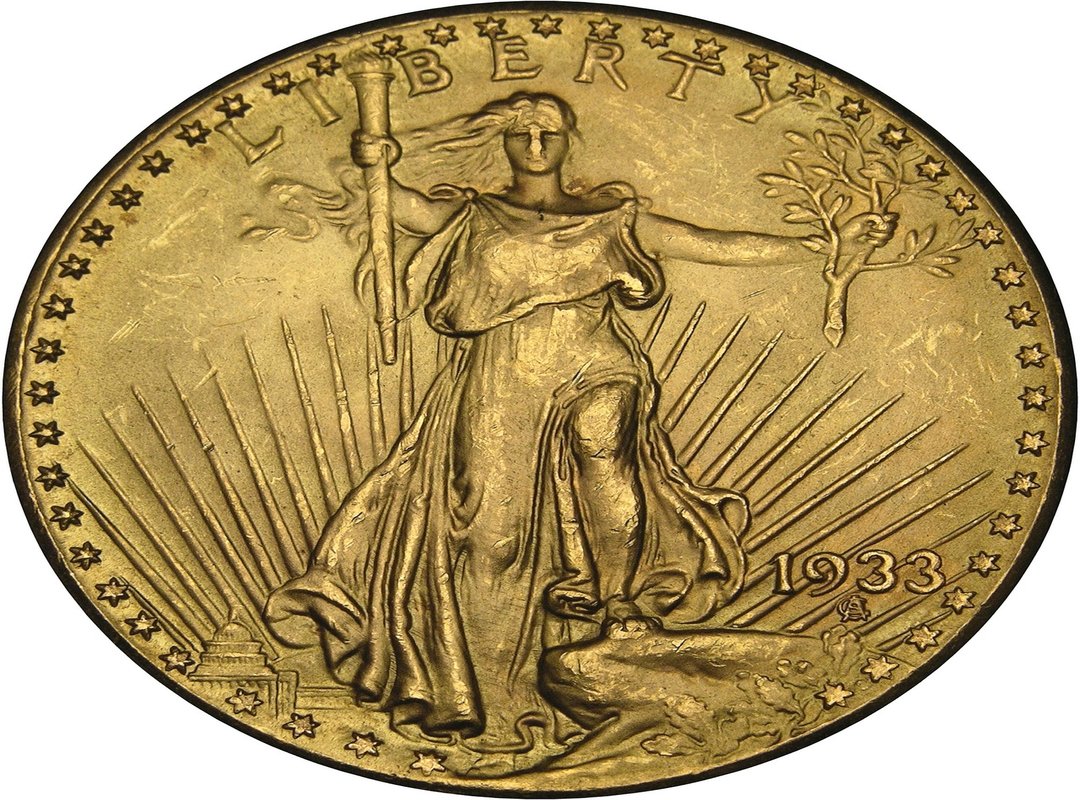
When it comes to the common 25 Peso coin from 1990-2015, its value in circulated condition is typically just its exchange rate. Often, that’s less than $0.25 USD.
An uncirculated, brilliant 25 Peso coin from a common year might fetch $1 to $3. This is usually for a collector looking to fill a set.
For a historical 1/4 Décimo, the value can vary significantly based on its condition. In a heavily worn ‘Good’ condition, it might be worth $5-$10. An ‘Extremely Fine’ example could be valued at $50 or more, depending on the year.
Other circulating coins like the 10, 50, and 100 Peso coins follow a similar pattern. Unless they are uncirculated or a rare variety, their value is tied to the current CLP-to-USD exchange rate.
It’s important to note that these prices are estimates. They can vary based on the dealer, auction platform, and current market conditions. For instance, a quarter dollar valor chileno in uncirculated condition might see higher demand and thus a higher price.
Always check with a reputable dealer or auction site for the most up-to-date valuations.
From Pocket Change to Prided Possession: What To Do Next
The ‘Chilean quarter dollar’ is not a real coin. However, you now know how to identify your actual coin and the factors that influence its value.
Use online resources like Numista or NGC World Coin Price Guide to look up the specific coin you have identified.
Visit a local coin shop for an in-person appraisal, especially if the coin appears old or is in exceptional condition.
Other valuable Chilean coins to look out for include silver Peso coins minted before 1960 and gold Escudo coins.
Understanding a coin’s history is the first step to uncovering its hidden value.
 Senior Data Encryption & Security Architect
Ask Darrells Belleroyals how they got into data encryption and network protocols and you'll probably get a longer answer than you expected. The short version: Darrells started doing it, got genuinely hooked, and at some point realized they had accumulated enough hard-won knowledge that it would be a waste not to share it. So they started writing.
What makes Darrells worth reading is that they skips the obvious stuff. Nobody needs another surface-level take on Data Encryption and Network Protocols, Core Computing Concepts, Expert Breakdowns. What readers actually want is the nuance — the part that only becomes clear after you've made a few mistakes and figured out why. That's the territory Darrells operates in. The writing is direct, occasionally blunt, and always built around what's actually true rather than what sounds good in an article. They has little patience for filler, which means they's pieces tend to be denser with real information than the average post on the same subject.
Darrells doesn't write to impress anyone. They writes because they has things to say that they genuinely thinks people should hear. That motivation — basic as it sounds — produces something noticeably different from content written for clicks or word count. Readers pick up on it. The comments on Darrells's work tend to reflect that.
Senior Data Encryption & Security Architect
Ask Darrells Belleroyals how they got into data encryption and network protocols and you'll probably get a longer answer than you expected. The short version: Darrells started doing it, got genuinely hooked, and at some point realized they had accumulated enough hard-won knowledge that it would be a waste not to share it. So they started writing.
What makes Darrells worth reading is that they skips the obvious stuff. Nobody needs another surface-level take on Data Encryption and Network Protocols, Core Computing Concepts, Expert Breakdowns. What readers actually want is the nuance — the part that only becomes clear after you've made a few mistakes and figured out why. That's the territory Darrells operates in. The writing is direct, occasionally blunt, and always built around what's actually true rather than what sounds good in an article. They has little patience for filler, which means they's pieces tend to be denser with real information than the average post on the same subject.
Darrells doesn't write to impress anyone. They writes because they has things to say that they genuinely thinks people should hear. That motivation — basic as it sounds — produces something noticeably different from content written for clicks or word count. Readers pick up on it. The comments on Darrells's work tend to reflect that.